What is Active Investing?

"FinBuzz began with a single goal: demystify finance.
We saw the confusion and helplessness people faced with money matters. We knew complex financial concepts needed clear explanations. FinBuzz was born, a platform translating finance into easy-to-understand terms, empowering everyone to take control of their money journey.
Today, FinBuzz is your one-stop shop for financial knowledge.
We offer a library of articles categorized by topic, from basic budgeting to advanced investment strategies. Whether you're new to finance or looking to refine your approach, FinBuzz has the tools and information you need.
We believe financial literacy is key to a secure future, and we're here to guide you every step of the way."
Passive investing may be all the rage for its simplicity and low fees, but for some investors, the thrill of the chase and the potential for market-beating returns hold undeniable allure. This is where active investing steps into the spotlight.
Active Investing Defined
Active investing stands in stark contrast to its passive counterpart. Here, the focus isn't on mirroring the market, but rather actively selecting investments with the goal of outperforming a chosen benchmark, like the S&P 500. This approach involves continuous research, analysis, and strategic buying and selling of individual stocks, bonds, or other financial instruments.
The Core Strategies of Active Investors
Active managers employ a diverse arsenal of tactics to achieve their objectives. Some delve into fundamental analysis, meticulously scrutinizing company financials, management teams, and industry trends to identify undervalued gems. Others utilize technical analysis, deciphering chart patterns and market indicators to capitalize on short-term price movements.
The Potential Rewards (and Risks) of Active Investing
Active management boasts the tantalizing possibility of superior returns. By meticulously selecting investments and capitalizing on market inefficiencies, skilled active managers have the potential to generate returns that surpass those of the broader market. However, this pursuit of outperformance is not without its challenges.
Higher Costs: Actively managed funds typically come with steeper expense ratios compared to passive vehicles. These fees can eat into your returns, making it even harder to outperform the market after accounting for costs.
Time Commitment and Expertise: Active investing demands a significant investment of time and specialized knowledge. Analyzing markets, researching companies, and making informed decisions require considerable expertise and ongoing effort.
Who Should Consider Active Investing?
Active investing may be suitable for investors with:
High Risk Tolerance: Active strategies often involve a greater degree of inherent risk compared to passive investing.
Investment Expertise: Those with a strong understanding of financial markets and the ability to dedicate time to research may find active management appealing.
Shorter Time Horizons: While active investing can be pursued for the long term, it might be more applicable for investors with shorter timeframes who aim to capitalize on specific market opportunities.
The Final Verdict
Active investing presents a potentially rewarding, yet intricate path towards wealth creation. Carefully weigh the potential benefits against the inherent risks and required expertise before taking the plunge. Consulting a financial professional can help you determine if active investing aligns with your investment goals and risk tolerance.
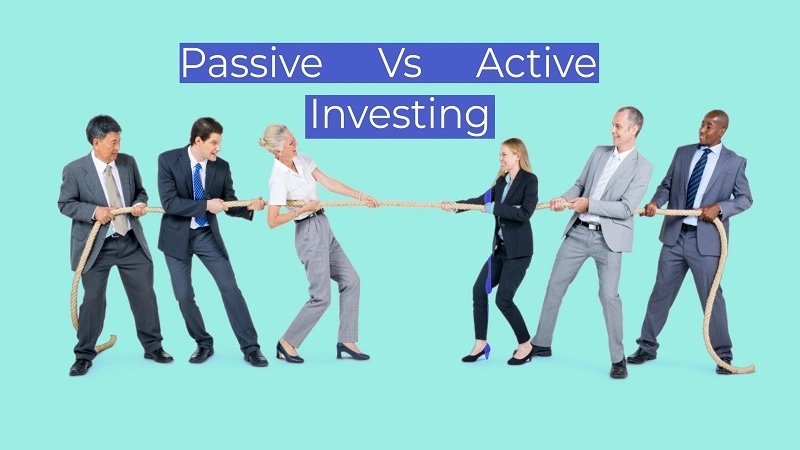
Also, check out - Passive Vs Active Investing
Disclaimer: This blog is presented for informational purposes only and should not be construed as financial advice. Please consult with a qualified financial professional before making any investment decisions.


